

Every organization changes. Markets shift. Teams evolve. Strategies pivot.
But if you're a C-level leader, you know this: most change efforts fail. Not because the strategy is wrong, or the tech isn’t ready—but because people don’t buy in.
Why?
Because we forget a fundamental truth: change is human.
Change isn’t just about new systems or structures. It’s about learning new ways of working… and letting go of what’s familiar. That’s scary.
Leaders often focus on rollout dates, KPIs, and new tools. But your people? They’re focused on this:
The emotional side of change is what determines success. Ignore it, and your transformation is dead on arrival.
The #1 reason change projects fail?
Poor communication. But not just insufficient communication—irrelevant communication.
Announcing when a new CRM goes live? Necessary.
But it’s not enough.
To secure engagement, your communication must answer three key questions:
If your communication doesn’t address these… you’ll get resistance, confusion, disengagement—or all three.
Top-down comms are essential. But they’re not sufficient.
Real change communication is a conversation, not a cascade.
✅ Before the Change:
Explain the context. Share the “why now.” Engage stakeholders in co-designing solutions.
✅ During the Change:
Show visible leadership. Create safe spaces for dialogue. Share quick wins and lessons learned.
✅ After the Change:
Celebrate progress. Reinforce new behaviors. Keep the story alive.
Leaders must embed the vision into every channel: town halls, team check-ins, newsletters, Slack, dashboards. Great change leaders don’t “announce” transformation—they embody it.

If your team doesn’t understand or believe in the change, they won’t adopt it.
That’s not resistance—it’s survival.
Especially in long-standing organizations with deep-rooted habits, change must be nurtured—emotionally, psychologically, and culturally.
Here’s the hard truth:
Without dialogue, there is no transformation.
Change communication is not a side project—it’s the main event.
Because it does.
In a world of constant disruption, your ability to drive human-centered transformation is your greatest competitive edge.
Want to make your change efforts stick? Let’s build a culture of trust, clarity, and alignment—together.
.png)

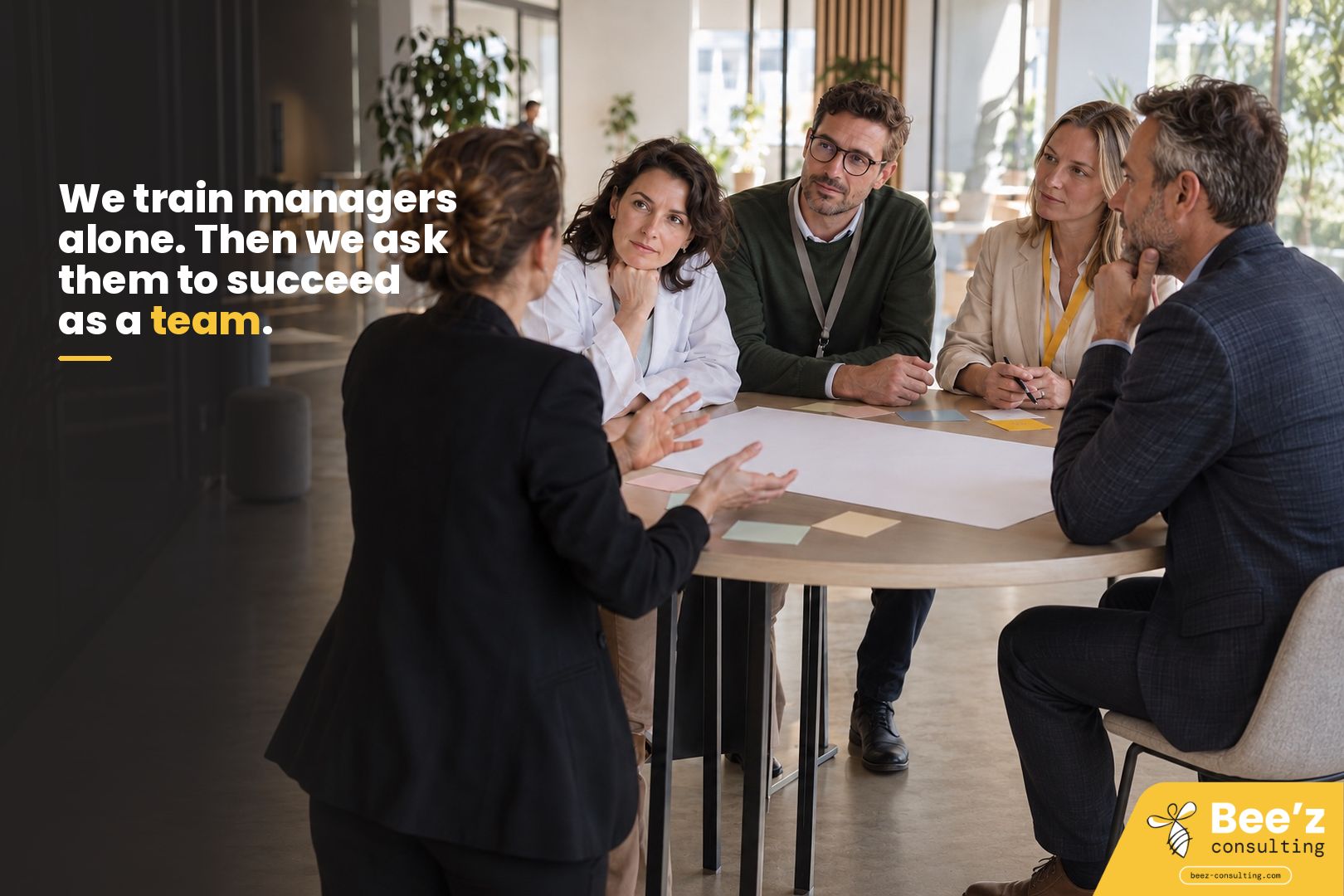
We train managers alone, then ask them to succeed as a team. What clinical simulation teaches management training, in every sector.
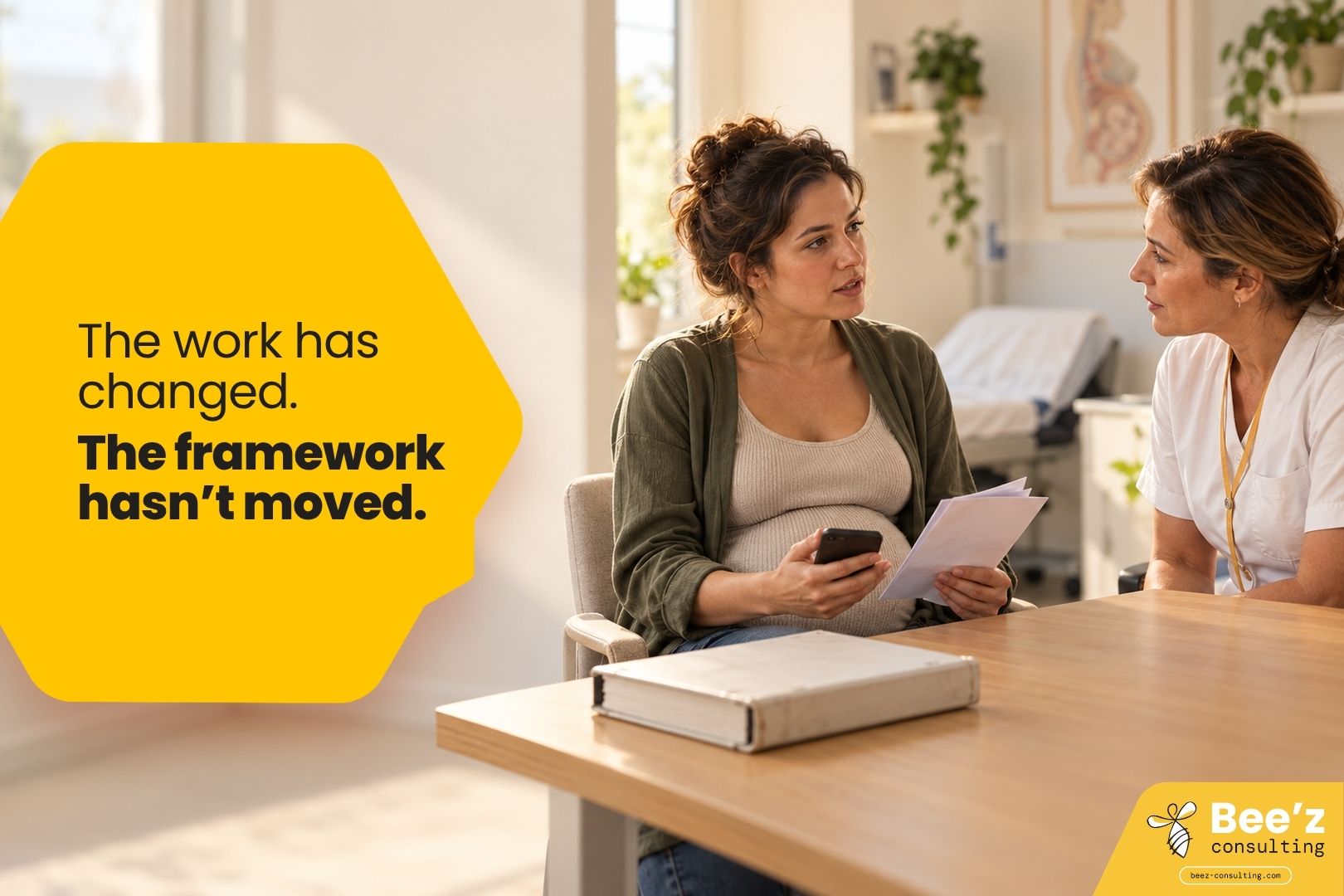
When development, recruitment and performance stop building the capabilities you need, your competency framework may be the cause. Three shifts, one test.
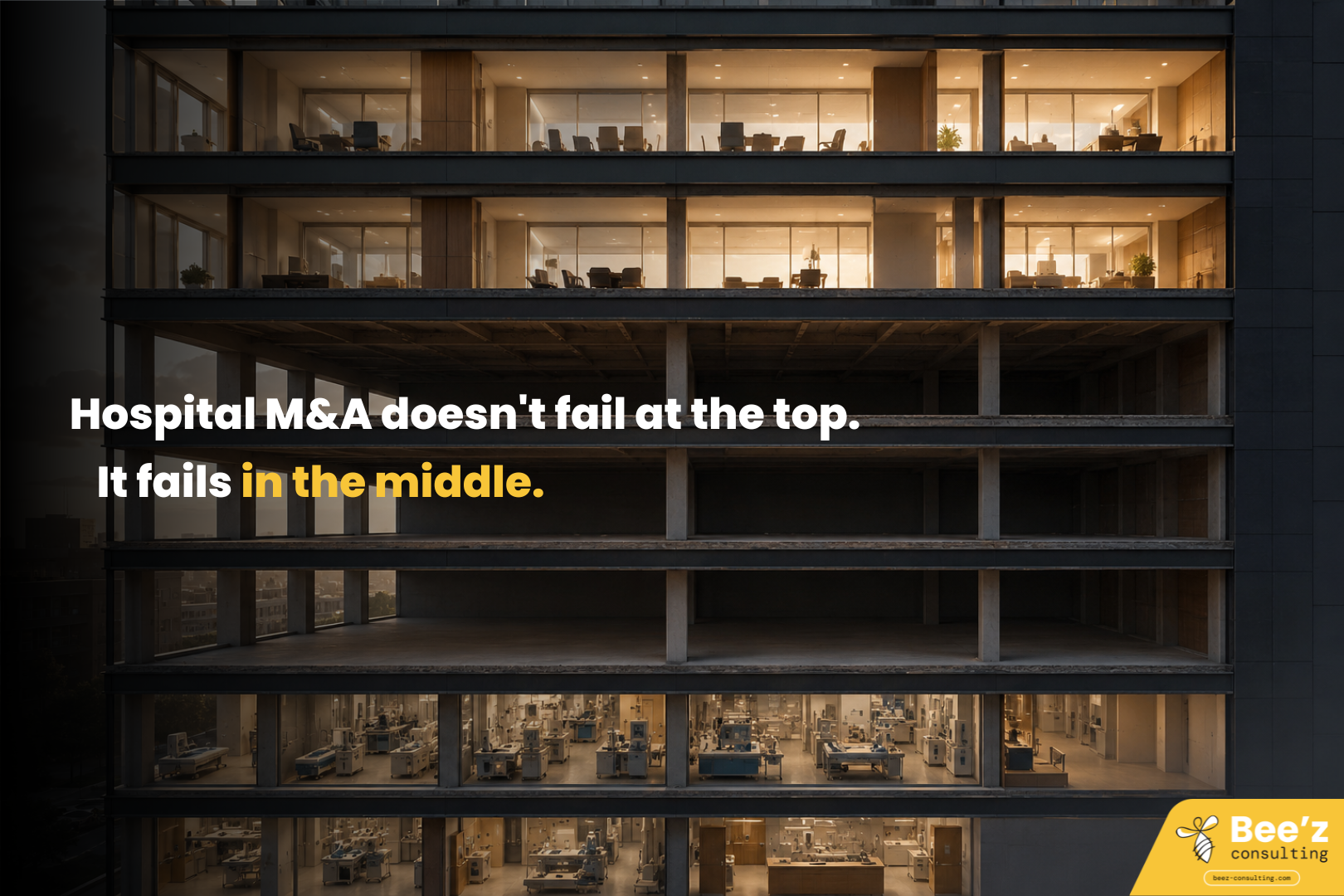
Hospital M&A fails not at the top but in the middle layer. Here is what the governance vacuum looks like and what leaders who see it do differently.

